

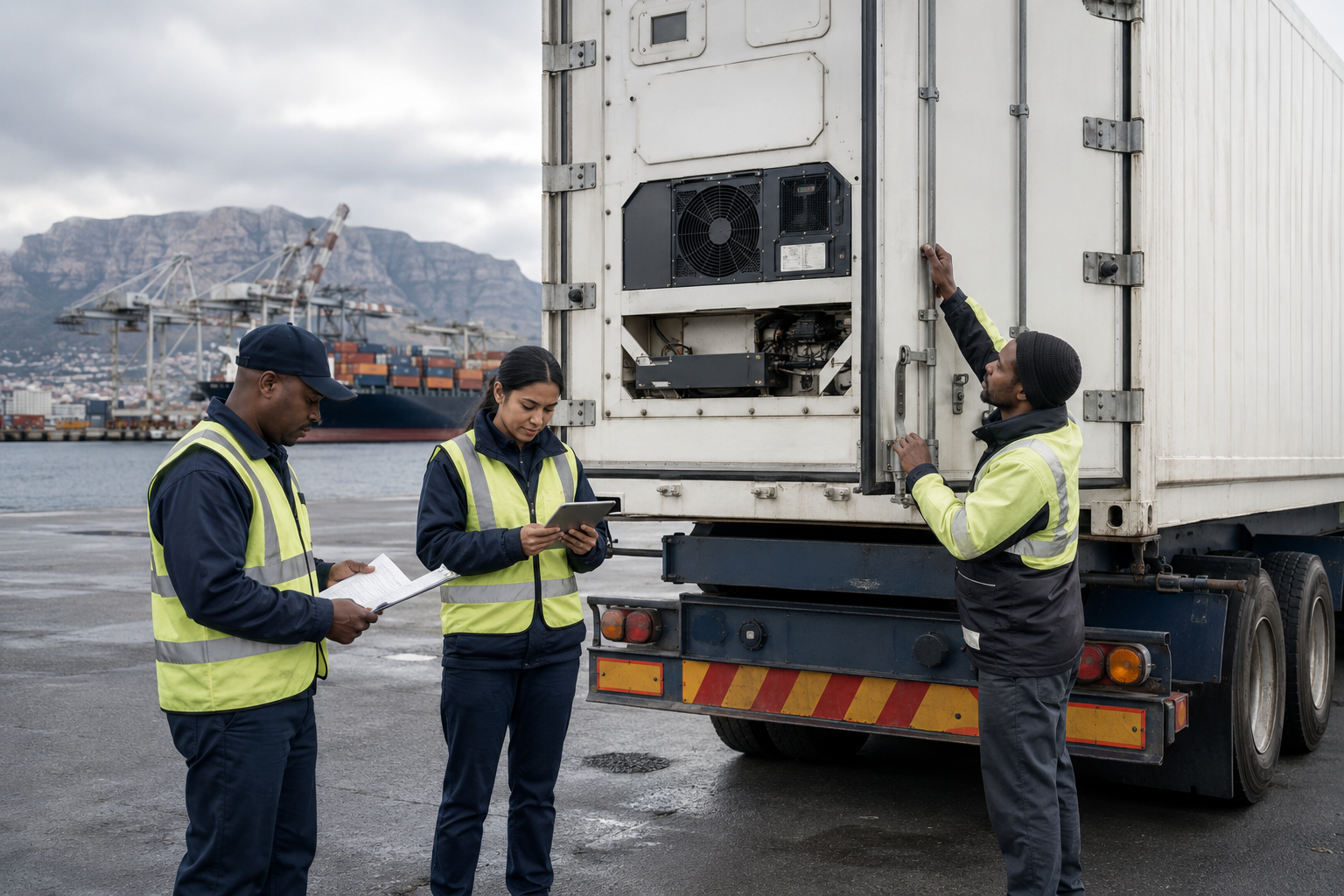
Reliable export logistics begins long before goods arrive at a port or airport. The exporter must confirm the product, destination requirements, transport method, documentation and responsibilities of every party involved.
A delay at any stage can affect delivery commitments and increase costs. Structured planning helps South African exporters identify these risks early and coordinate a more dependable route from the supplier to the international customer.
Plan backwards from the required delivery date
The buyer’s requested arrival date should be used to calculate when production, packing and dispatch must take place.
The plan should allow time for:
- Product preparation
- Quality inspections
- Export packaging
- Collection from the supplier
- Freight consolidation
- Customs procedures
- International transit
- Import clearance
- Final delivery
Carrier schedules do not represent the complete lead time. Exporters must also account for cut-off dates, port handling and possible transhipment between vessels.

Select the appropriate transport method
The best transport option depends on the product’s size, value, urgency and handling requirements.
Sea freight is generally suited to larger planned shipments, while air freight may be appropriate for smaller, urgent or high-value products. Road freight supports regional exports and the inland movement of goods to ports and airports.
Exporters should compare more than freight price. Frequency of departures, transit time, route complexity and cargo-handling requirements can all affect reliability.
A direct service may reduce handling risk, while a route involving transhipment may provide a different balance of cost and availability.
“Reliable export logistics depends on connecting every milestone, from production and documentation to customs clearance and final delivery.”
Clarify responsibilities with Incoterms
The agreed Incoterm defines important responsibilities between the seller and buyer. It can establish who arranges transport, insurance, export clearance and delivery at different stages of the journey.
Both parties should understand the practical meaning of the chosen term. It should appear clearly on the quotation, commercial invoice and purchase agreement.
Incoterms do not replace a complete commercial agreement. Product specifications, payment terms, delivery dates and required documents must still be recorded separately.
Prepare accurate export documents
Documentation errors can delay customs clearance even when the physical shipment is ready.
Depending on the product and destination, documents may include:
- Commercial invoice
- Packing list
- Transport document
- Certificate of origin
- Export permit
- Health or inspection certificate
- Insurance certificate
- Product specification or compliance records
Descriptions, quantities, weights and values should remain consistent across the complete document set.
The exporter should also confirm which documents the buyer requires for import clearance. Requirements can vary between countries and product categories.
Use suitable export packaging
Products may pass through several warehouses, vehicles and handling points before reaching the buyer. Packaging must protect the goods throughout this journey.
Exporters should consider:
- Product weight and fragility
- Moisture and temperature exposure
- Stacking and movement
- Pallet and container dimensions
- Handling instructions
- Destination labelling
- Inspection requirements
Outer packaging should be clearly identified and correspond with the packing list. Where goods require temperature control, the selected equipment and handling process must support the product throughout transport.
Coordinate suppliers and freight providers
Export orders often involve several parties, including manufacturers, warehouses, transporters, freight forwarders and inspection services.
One central shipment plan should record the responsibilities and deadlines of each party. Important milestones may include production completion, cargo collection, document submission, freight booking and port cut-off.
Regular updates allow the exporter to identify delays before they affect the booked departure. Suppliers should communicate changes in production or packaging readiness immediately.
The freight provider should receive accurate cargo dimensions, weight and handling information when preparing the booking.
Allow for customs and inspections
Some products require permits, inspections or specialised certificates before they may leave South Africa or enter the destination market.
These requirements should be identified before production is completed. Inspection appointments and document processing may need to be arranged in advance.
The correct tariff classification is also important because it can influence duties, permits and customs procedures. Where uncertainty exists, appropriate customs or trade specialists should be consulted before dispatch.
Prepare for disruption
Transport schedules can change because of congestion, weather, equipment availability or carrier decisions. Exporters should build reasonable time into delivery commitments and maintain visibility throughout the shipment.
Contingency options may include:
- Alternative sailing dates
- Different carriers or routes
- Air freight for an urgent portion
- Additional cold-storage arrangements
- Approved alternative ports
- Earlier production and dispatch
Not every shipment requires several complete backup plans. Priority should be given to time-sensitive, high-value and customer-critical orders.
Cargo insurance should also be reviewed so that the business understands the extent of cover and the evidence required for a claim.
Track the shipment through final delivery
The exporter’s responsibility does not end when the goods leave South Africa. Shipment milestones should be monitored and communicated to the buyer.
Useful updates include departure, transhipment, expected arrival, customs release and final delivery.
If a delay occurs, the buyer should receive clear information about its cause, likely impact and available response.
After delivery, actual transit time and logistics costs should be compared with the original plan. These findings can improve quotations and route selection for future shipments.
Creating dependable export delivery
Reliable logistics combines realistic timing, accurate documents, suitable packaging and clear coordination between every participant.
GANS South Africa supports clients with export planning, supplier coordination, documentation and international delivery arrangements. Working from the buyer’s requirements and the characteristics of the product, GANS can help organise an appropriate route from South African supply to the destination market.
This structured approach helps reduce avoidable delays and supports more consistent delivery for international customers.


